
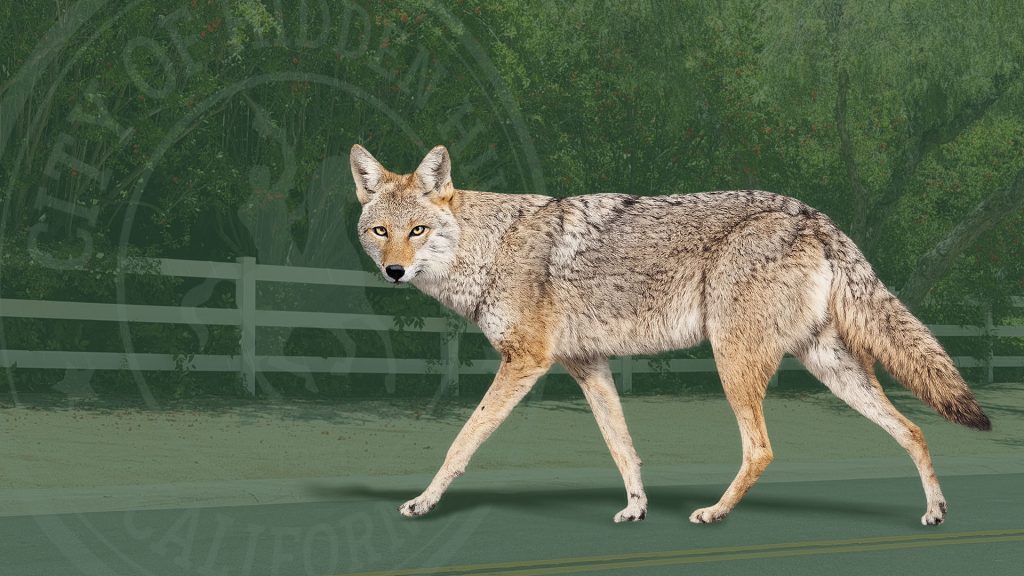
Coyotes are a natural and permanent part of the Southern California landscape, including Hidden Hills. They are highly adaptable and intelligent animals that help control rodent populations and support a balanced ecosystem. Residents will occasionally see coyotes throughout the year, sometimes even during daylight hours. Understanding their behavior and taking preventive steps can greatly reduce the chance of conflict.
Understanding Coyote Behavior
Coyotes usually travel between dusk and dawn. Daytime sightings also occur, especially in spring and summer when adults search for food for their pups. Seeing a coyote during the day does not mean it is rabid or sick. Coyotes typically avoid humans unless they have been intentionally fed or allowed access to human food sources.
Coyotes may become bolder when they find easy food in neighborhoods. This includes unsecured trash, outdoor pet food, fallen fruit, water sources in yards, and small pets that are left unsupervised. When coyotes lose their natural fear of people, they can become a public safety concern. Avoiding all feeding of wildlife is essential for the protection of pets, people, and the coyotes themselves.
Do’s and Don’ts for Reducing Conflicts
Do
- Keep trash securely covered or store bins indoors until collection day.
- Feed pets indoors. If feeding outdoors, supervise closely and clean the area immediately.
- Keep cats indoors and supervise dogs, even in fenced yards.
- Remove fallen fruit and eliminate outdoor food sources around your home.
- Clean outdoor cooking and eating areas to avoid attracting wildlife.
- Maintain your property by trimming vegetation and reducing hiding places for rodents and coyotes.
- Use hazing techniques such as loud noises and waving your arms if a coyote approaches too closely.
Do Not
- Feed coyotes or any wildlife. Feeding causes animals to lose their natural fear and creates dangerous conditions for the community.
- Leave pet food, water bowls, compost, or unsecured food outdoors.
- Leave small pets outside without supervision, even during the daytime.
- Run from a coyote, since running can trigger a chase response.
- Corner or approach a coyote, especially near dens or pups.
What To Do If You Encounter a Coyote
Coyotes are usually frightened of people. If you encounter one while walking or hiking, take the following steps:
- Stay calm and face the coyote without turning your back.
- Make loud noises such as shouting or clapping your hands.
- Wave your arms or lift objects like a jacket or backpack to appear larger.
- Maintain eye contact and slowly back away.
- Pick up small children or pets and keep them close to you.
Coyotes typically retreat once they understand there is no food available and that you are asserting your presence.
Preventing Attraction to Your Property
Coyotes are opportunistic and will return to areas where food is consistently available. You can reduce attractants by:
- Securing garbage cans with tight fitting lids.
- Bringing pet food and bird seed indoors.
- Removing fallen fruit from trees and the ground.
- Keeping outdoor grills and eating areas clean.
- Eliminating or limiting outdoor water sources.
- Sealing crawlspaces, attics, and under deck areas where coyotes or their prey may hide.
Removing these attractants discourages coyotes and reduces rodent activity, which is one of their main food sources.
Community Responsibility
Feeding coyotes, either intentionally or through unsecured food sources, creates unsafe conditions for the entire community. Coyotes that become reliant on human environments are far more likely to approach people and pets. This can lead to dangerous encounters and may result in the animal needing to be removed. This is both preventable and avoidable.
By eliminating attractants, supervising pets, and responding appropriately to sightings, Hidden Hills residents help support a safe community while respecting the wildlife that shares our environment.