
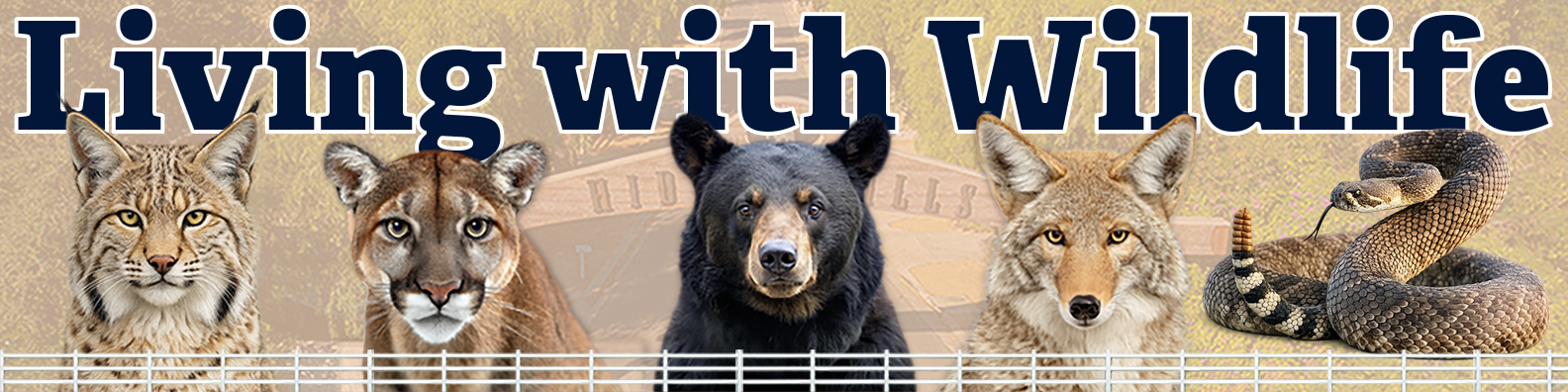
Hidden Hills is a unique community situated at the edge of natural open space, which supports a thriving range of wildlife. Encounters with coyotes, bobcats, bears, mountain lions, and numerous smaller species are a normal part of our environment. Coexisting safely requires awareness, prevention, and responsible behavior from residents.
This page provides a comprehensive overview of how wildlife behaves, why animals appear in residential neighborhoods, and what steps residents can take to reduce conflicts, protect pets, and maintain ecological balance within the city.
Understanding Wildlife Behavior in Hidden Hills
Wildlife moves through our area for food, shelter, and natural migration. Animals are not inherently dangerous, but they may become bolder when human-related food sources—trash, outdoor pet food, fallen fruit, or intentional feeding—are readily available. When wildlife becomes habituated to people, natural fear decreases and the likelihood of unsafe encounters increases.
Coyotes and bobcats are the species residents see most frequently. Bears and mountain lions appear less often, yet sightings have increased regionally due to expanding populations and shrinking natural habitat. Rodent-eating birds and mammals—such as owls, hawks, coyotes, and bobcats—play a critical role in keeping ecosystems balanced, and poisoning rodent populations disrupts this natural cycle.
Recognizing that these animals are part of our shared environment helps guide effective decision-making and reinforces the City’s commitment to humane coexistence.
City of Hidden Hills Best Practices for Living with Wildlife
Learn practical tips to safely coexist with local wildlife and reduce risks for your family, pets, and community.
6 Preparedness Tips
Unsecured food is the number one reason wildlife enters residential areas.
- Keep trash cans tightly covered and avoid setting them out the night before pickup.
- Bring pet food indoors and feed animals inside.
- Remove fallen fruit and clean outdoor eating areas promptly.
- Store compost in sealed containers.
- Avoid leaving water bowls outside overnight.
Even highly adaptable animals like coyotes will avoid neighborhoods when food is not readily accessible.
Pets are often the most vulnerable in wildlife encounters.
- Keep cats indoors.
- Supervise dogs outdoors, especially at dawn and dusk.
- Use leashes when walking pets and avoid areas with dense brush.
- Do not leave small pets alone in yards, even during the day.
- Ensure fences are in good repair—coyotes can clear fence heights of up to six feet if motivated.
Well-maintained yards discourage wildlife activity.
- Trim back bushes and vegetation to reduce hiding spots.
- Repair or secure broken gates and gaps under fences.
- Cap chimneys, seal attics, and block crawlspaces to prevent animal intrusion.
Feeding wildlife, even unintentionally, creates dangerous conditions for the entire community. Intentional feeding is strictly discouraged in Hidden Hills.
- Animals that associate humans with food lose their natural fear and become more assertive.
- Fed coyotes and bears pose far greater risks to people and pets.
- Habituated wildlife may need to be relocated or euthanized, creating consequences for both humans and animals.
Residents should understand how to behave calmly and confidently.
- Do not run from wildlife; back away slowly.
- Make yourself appear larger and speak firmly if an animal approaches.
- Give the animal space to retreat.
- Teach children how to react safely and avoid running or chasing wildlife.
Many animals, especially coyotes, will retreat once they understand you pose no opportunity for food.
Wildlife sightings often increase seasonally:
- Spring and Summer: Parents search for food for young, leading to more daytime movement.
- Drought Conditions: Limited natural water and food sources push animals toward residential areas.
- Rodent Population Surges: When rodent numbers increase, predators follow.
- Improper Waste Handling: Open trash, fruit trees, and outdoor feeding create artificial food sources that animals learn to rely on.
These patterns are predictable and manageable with community-wide participation in prevention efforts
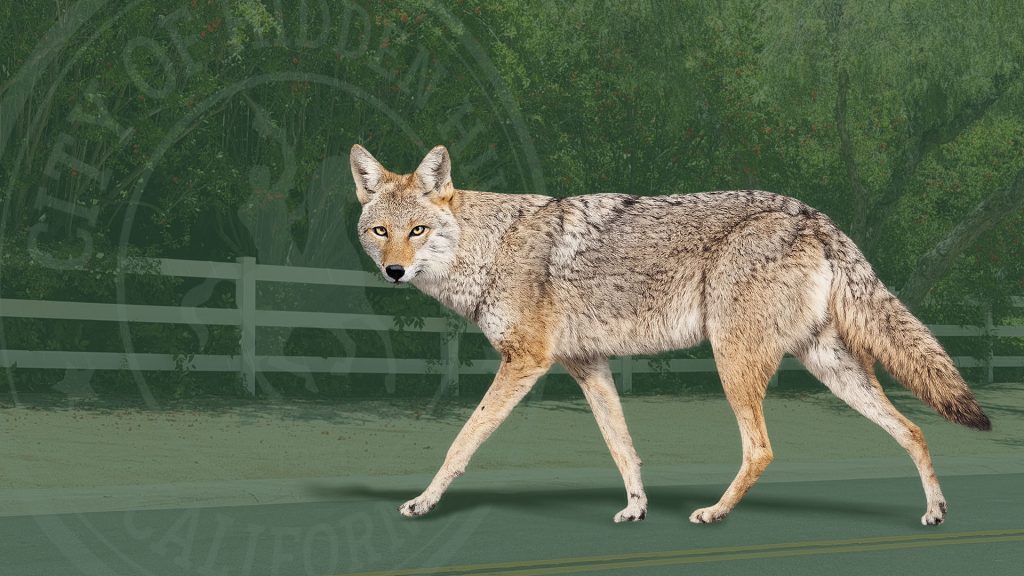
Living with Coyotes
Coyotes are a natural part of the Hidden Hills landscape. Understanding their behavior patterns, prevention techniques, and pet safety measures helps residents coexist safely and confidently.
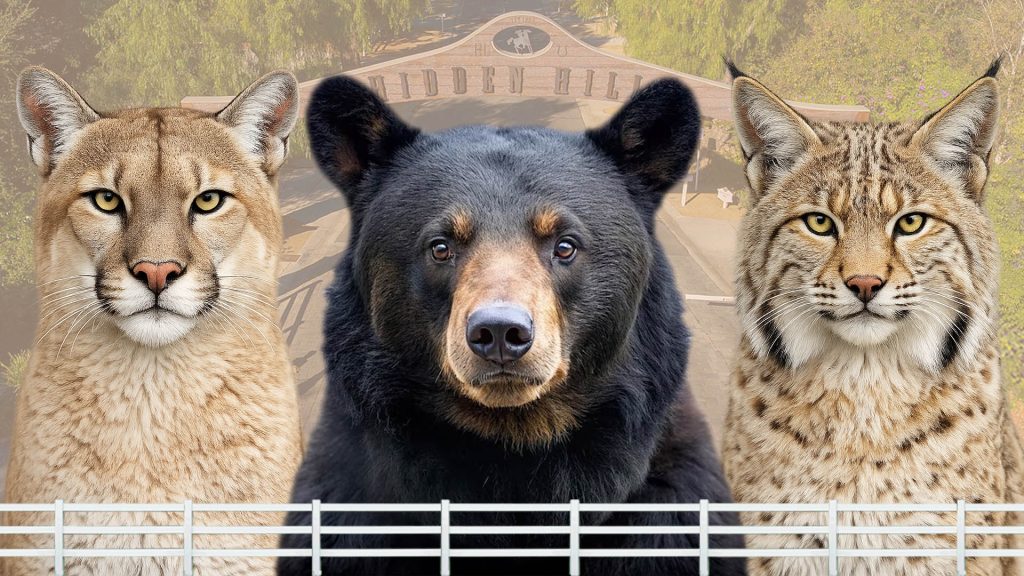
Living with Mountain Lions, Bobcats and Bears
Understanding less common wildlife, safe behavior during encounters, and reporting protocols.
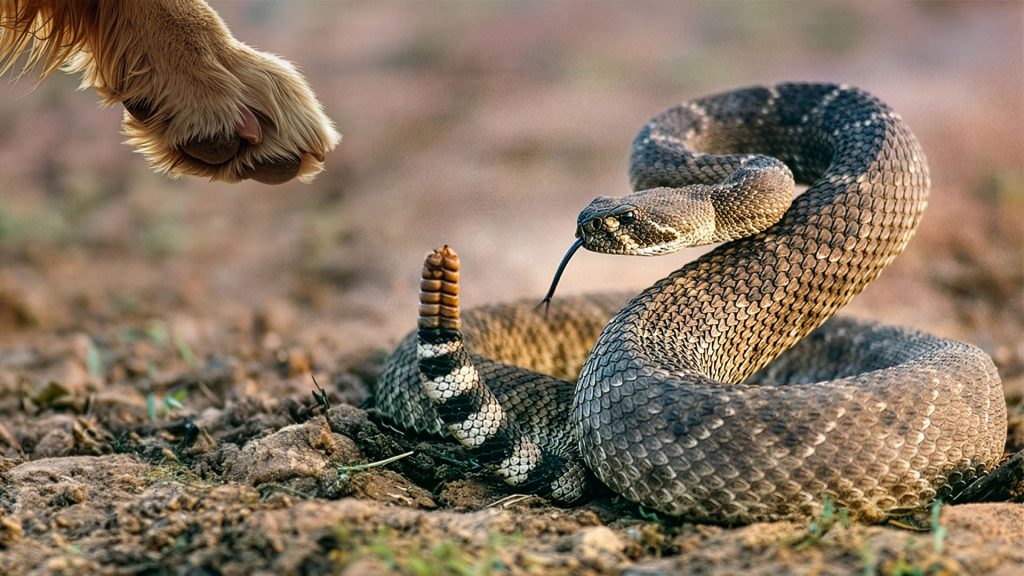
Rattlesnake Safety
Rattlesnakes are native to our area, and it is important to learn how to reduce the risk of bites to you and your pet.
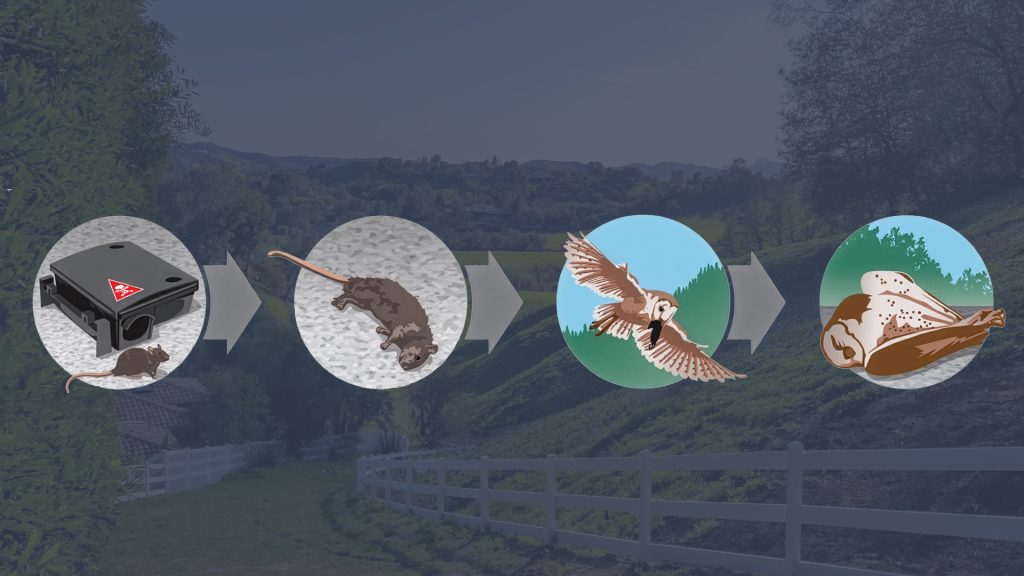
Risks of Rodenticides
Impacts on wildlife, pets, and the environment, plus safe and effective alternatives.
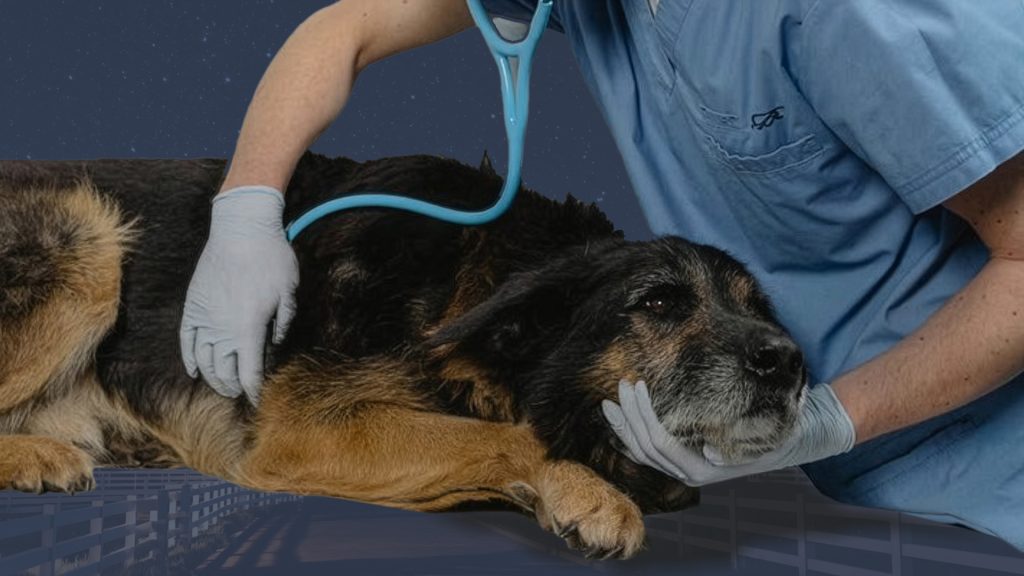
Pet Care Emergencies
How to prepare pets for disasters, essential emergency kits, and quick-response steps.
Public Safety and Reporting
Report unusual or aggressive wildlife sightings to help protect public safety and guide response.